
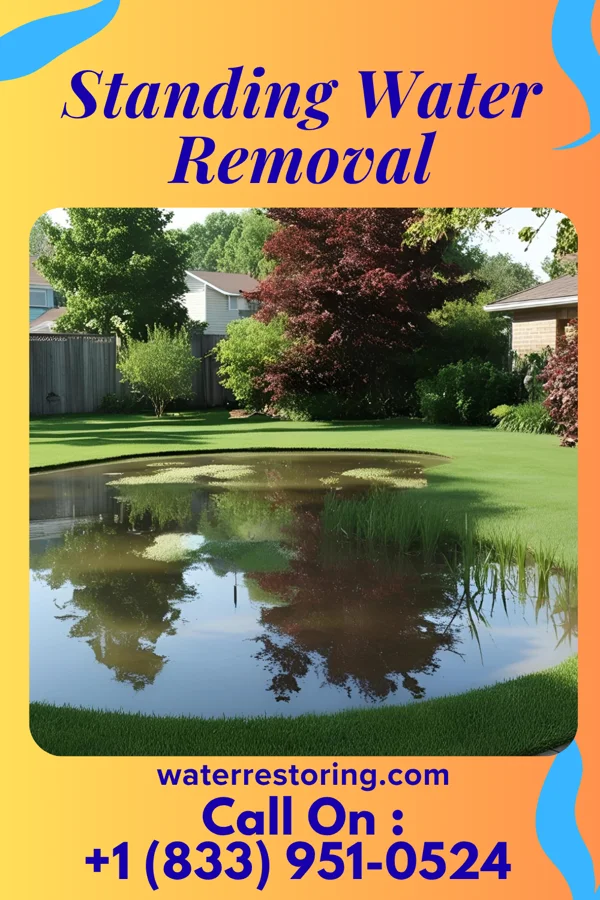
Standing Water Risks in Rudd
Property owners across Rudd call certified water damage restoration when In Rudd, Iowa, the primary water damage cause is often due to agricultural runoff from nearby farmlands, combined with occasional heavy rainfall that saturates the rural soil. Additionally, aging infrastructure in the area, such as outdated drainage systems, can lead to localized flooding during spring thaw or storm events.. A close second is Secondary causes include burst water lines from aging municipal systems, seepage from nearby creeks, and water intrusion from improperly sealed crawl spaces. These issues are exacerbated by the rural setting and limited access to emergency services..
Rudd, Iowa experiences a continental climate with cold winters and warm summers, leading to frequent freeze-thaw cycles that can damage foundations. The area also sees heavy spring rains, which increase the risk of water accumulation in low-lying areas.
Rudd, Iowa experiences a continental climate with cold winters and warm summers, leading to frequent freeze-thaw cycles that can damage foundations. The area also sees heavy spring rains, which increase the risk of water accumulation in low-lying areas. The dominant local driver is In Rudd, Iowa, the primary water damage cause is often due to agricultural runoff from nearby farmlands, combined with occasional heavy rainfall that saturates the rural soil. Additionally, aging infrastructure in the area, such as outdated drainage systems, can lead to localized flooding during spring thaw or storm events., with Secondary causes include burst water lines from aging municipal systems, seepage from nearby creeks, and water intrusion from improperly sealed crawl spaces. These issues are exacerbated by the rural setting and limited access to emergency services. showing up as the next most common cause. Damage builds in stages. Spread. Absorption. Microbial growth. Structural compromise. Every stage you pass through adds to the final bill.